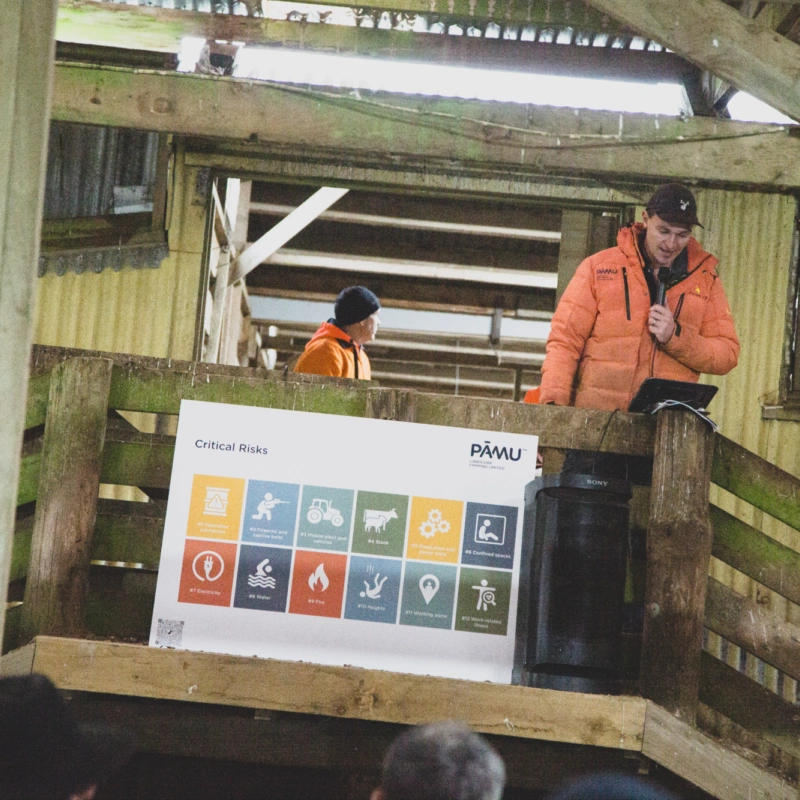
Kapiro opens its gates to talk about our diversification journey.
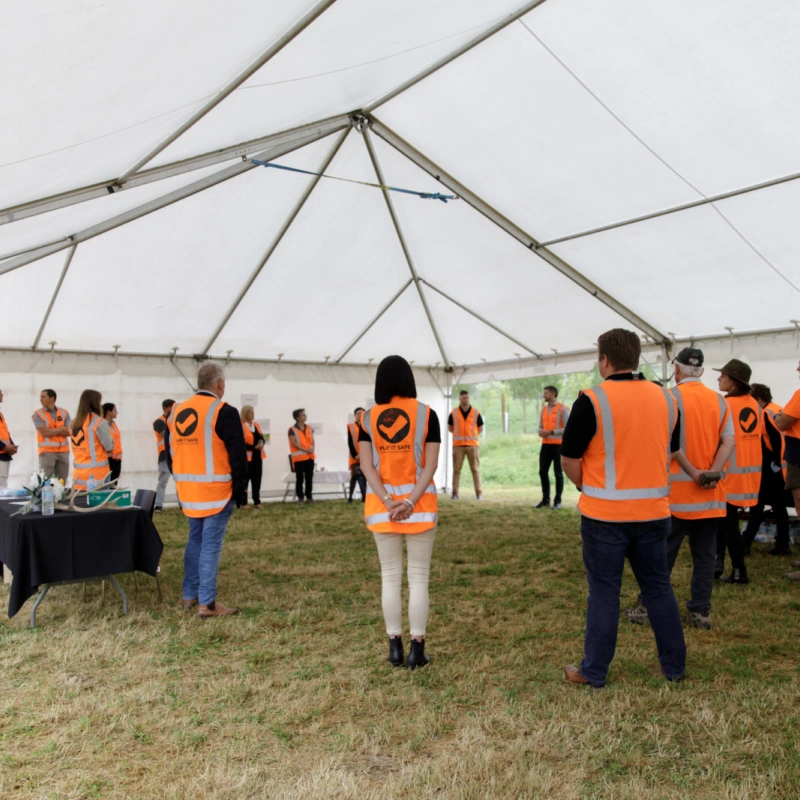
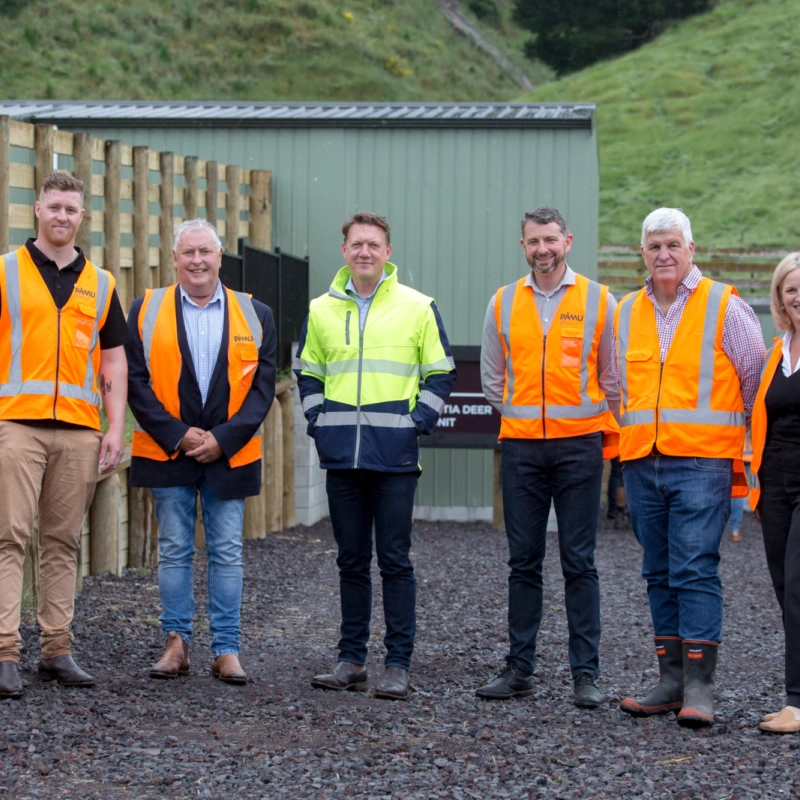
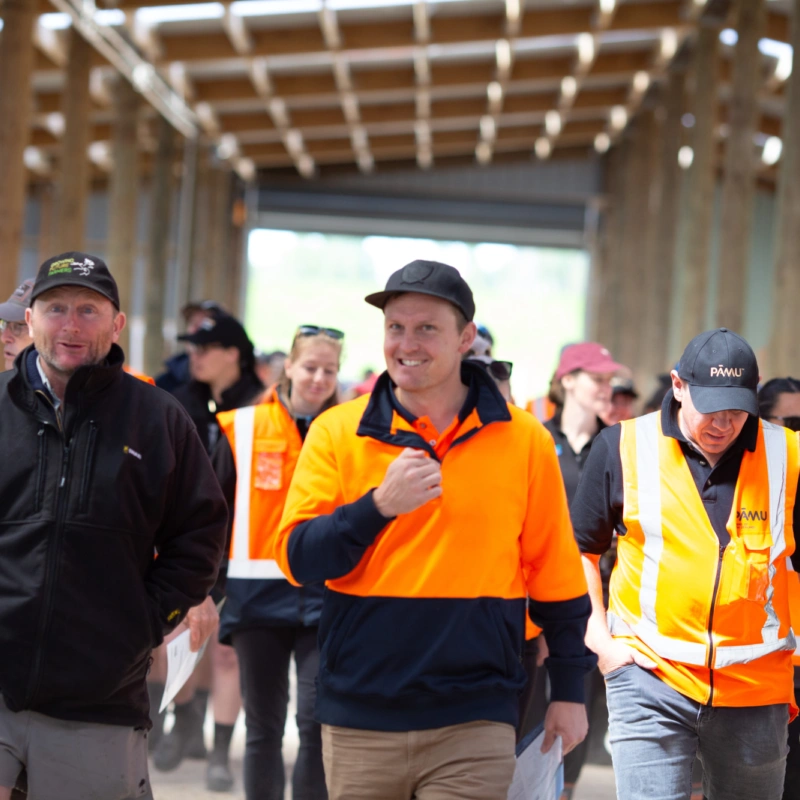
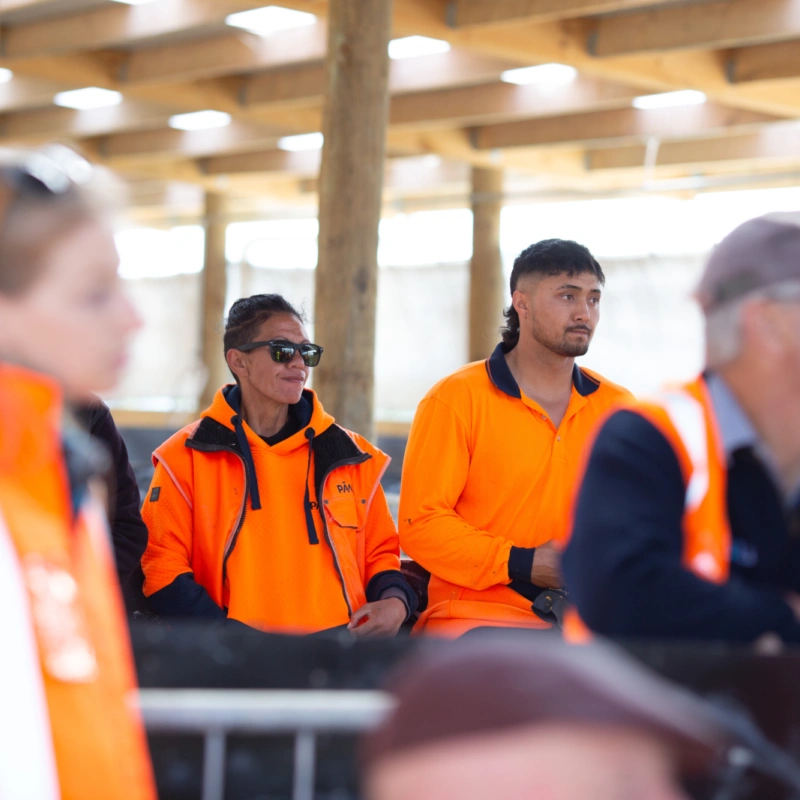
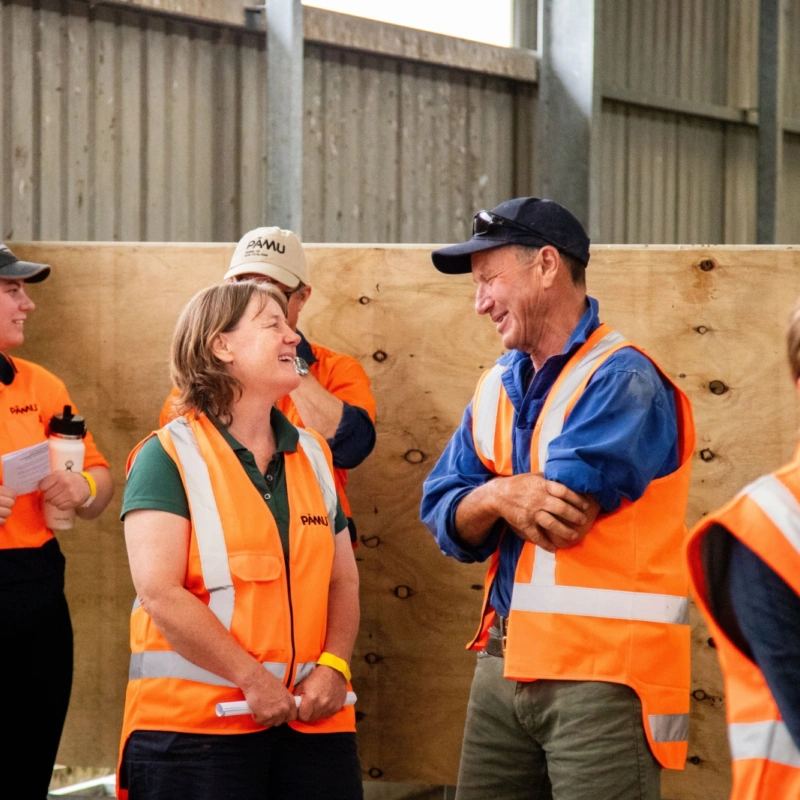
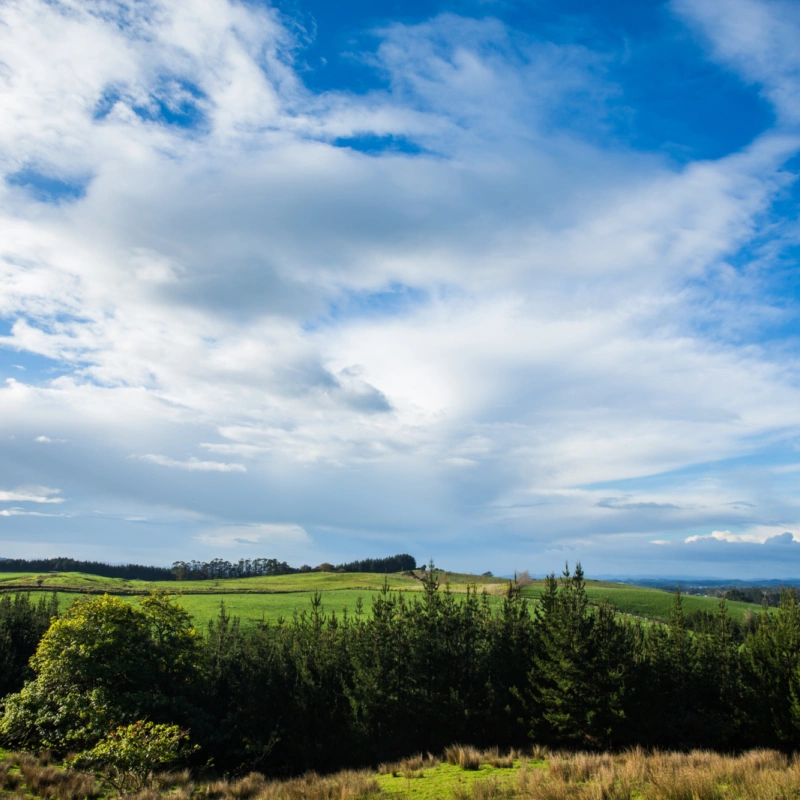
Pāmu will host our first Open Farm Day of the year on 25 February at Kapiro in Northland, bringing farmers, industry partners and stakeholders together to demonstrate how different land uses are being integrated on one farming platform. The day will focus on practical examples of diversification as a response to climate, market and environmental pressure.
Interested in joining? Registration is essential to manage numbers and catering. Register now.
Visitors will hear from farm, forestry and horticulture teams about how Kapiro is blending livestock, forestry and horticulture to lift resilience across the whole system (Read more in this case study).
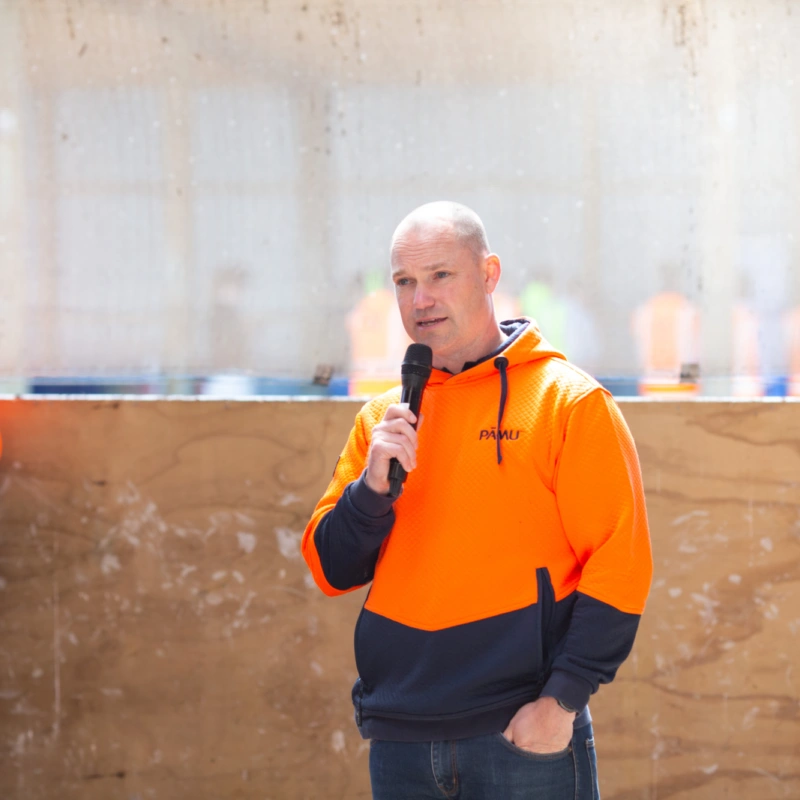
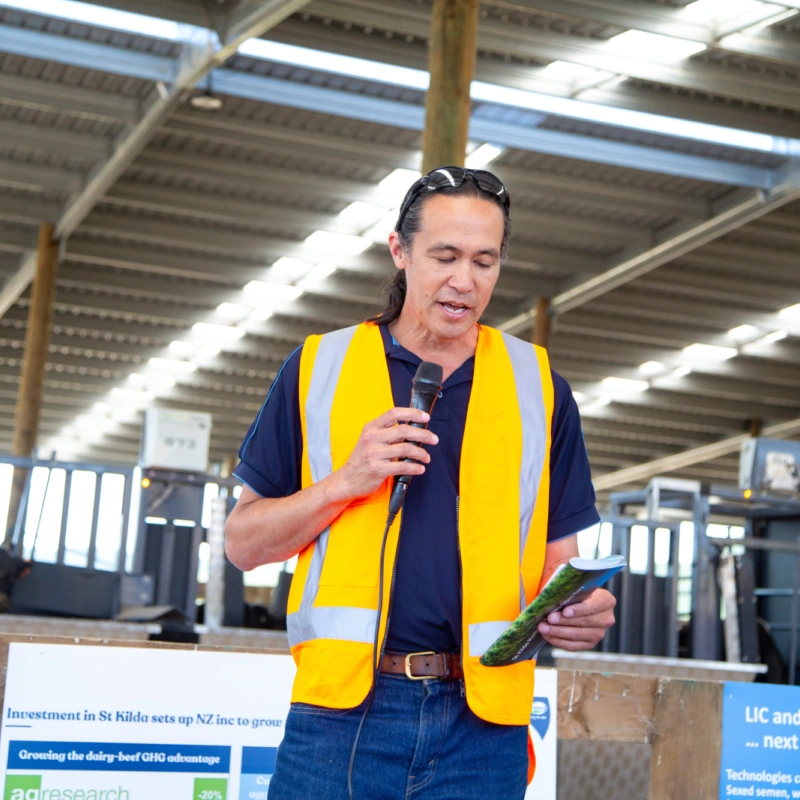
The programme includes site-based talks from head scientist at Focus Genetics Dr Natalie Pickering on Sheep of the Future, Pāmu Head of Sustainability Sam Bridgman on climate adaptation, and Halter President Andrew Fraser on wearable technology alongside Farmax’s Gavin McEwen on data‑driven dairy beef.
Pāmu Forestry Business Manager Penny Baker will present alongside Senior Sustainability Advisor Alison Worth on our integrated forestry and biodiversity approach, discussing how different land uses can work together rather than compete.
Attendees will see how land capability has guided decisions around forestry planting, how dairy beef fits alongside sheep systems, and how horticulture – including avocado and berry production – is being developed as part of a wider land‑use mix. Discussions will focus on land optimisation, culture, risk spread and long‑term resilience.
With a BBQ lunch provided thanks to Farmlands, our Open Farm Day format is practical and conversational, with rotations between paddocks and a chance to talk directly with the people managing the systems on the ground. Other participants are the local Rural Support Trust, Northland Regional Council, Kiwicoast, MPI, and B+LNZ Farmers’ Council. It’s part of our wider open day programme, designed to share real-world experience – including what’s worked, what’s changed, and what’s still being learned, as farming businesses across New Zealand look for ways to stay future‑fit.