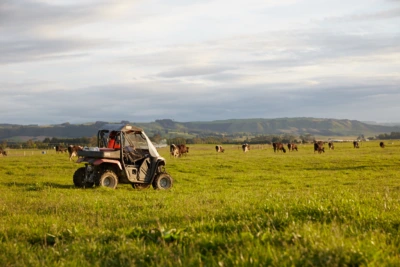
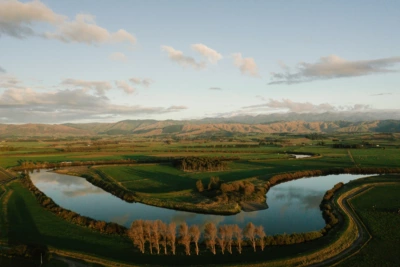
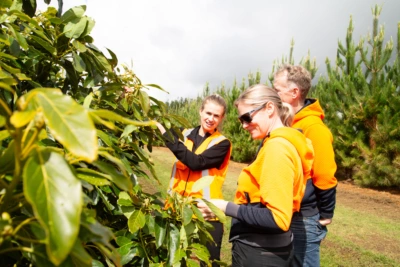
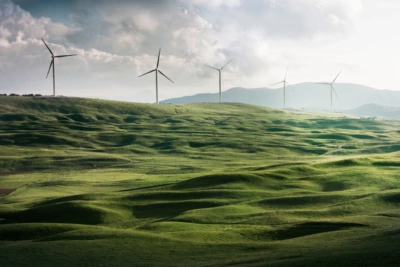
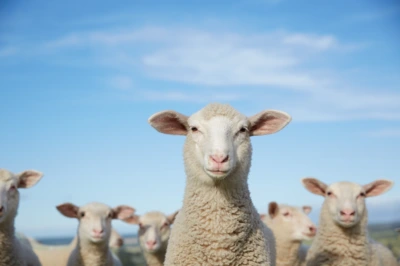
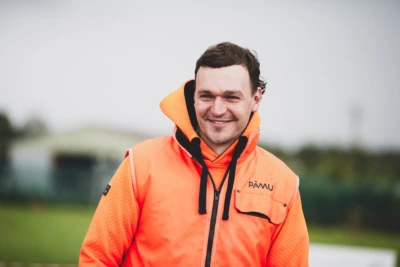
Farming excellence is about safe people, productive farms and healthy environments
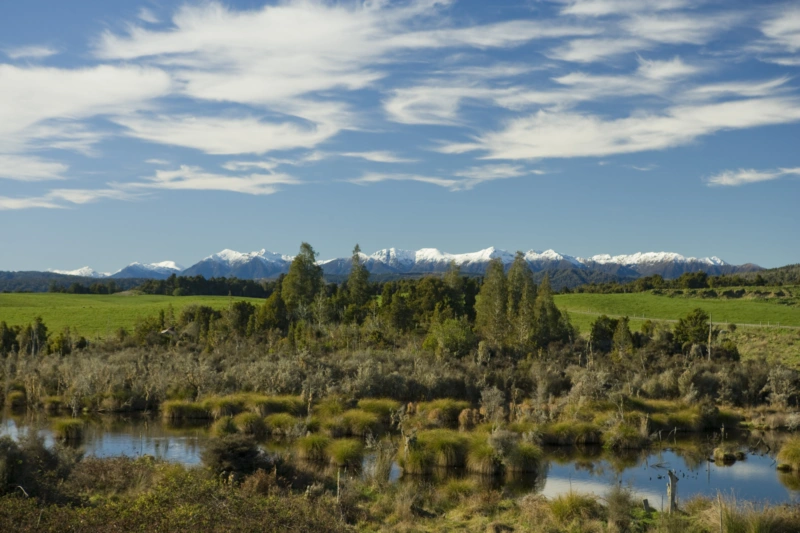
Embedding environmental stewardship into farm management
Why Farm Environment Plans matter
Farm Environment Plans help us identify the farms natural assets and inherent and management environmental risks, prioritise actions, and make better decisions on farm. They bring together freshwater, biodiversity, GHG mitigations, soils, climate, farm operations and assurance requirements to provide a single, centralised source of truth for all stakeholders, making environmental management part of day-to-day farming rather than a separate compliance exercise.
How Farm Environment Plans are developed
Farm Environment Plans are developed by Sustainability Advisors alongside farm teams, to meet the strategy and ambition of Pāmu, support assurance programmes, and meet local and national regulations. They also set out a three year horizon for capex/opex requirements, create consistency and ensure institutional knowledge across the organisation, and raise the bar on sustainable outcomes.
Where we're at
Pāmu has rolled out fit-for-purpose Farm Environment Plans across its entire 112 farms. The plans are now integrated into farm planning, budgeting, assurance programmes and environmental reporting, providing a consistent approach across the business.
Sustainability and biodiversity
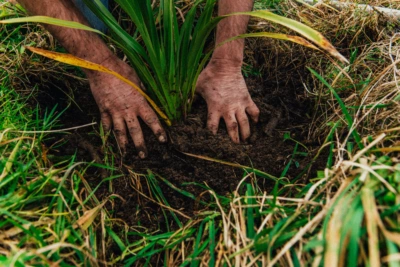
Farm Environment Plans help guide practical actions on each farm such as waterway protection, riparian planting, wetland restoration, nutrient management and biodiversity enhancement. They help ensure environmental improvements are planned, prioritised and delivered on farm.
Supporting premiums
Increasingly, customers want evidence of strong environmental and animal welfare practices. Farm Environment Plans support farm assurance programmes and certifications that help maintain market access and unlock premiums, while strengthening confidence in how our products are produced.
In FY25, participation in assurance and premium programmes generated more than $11.2 million in premiums, an increase of $1.2 million on the previous year. Programmes included Fonterra Organics, A2, NZ FAP, FAP+, GAP, Synlait Lead with Pride, Te Ara Miraka and NZ Merino ZQ.
Beyond Pāmu
The benefits extend beyond our farm boundaries. By demonstrating practical approaches to managing freshwater, biodiversity and environmental risk at scale, Farm Environment Plans help build knowledge, support industry progress and contribute to healthier rural landscapes across New Zealand.


Keeping Our People Safe Every Day
The health, safety and wellbeing of our people is our highest priority. We continue to strengthen the systems, processes and leadership practices that help keep our people safe and support a strong safety culture across Pāmu.
Embedding Critical Risk Management
Farming involves a range of high-consequence risks that have the potential to cause serious harm or fatalities. As Pāmu reviewed its health and safety performance and operating environment, it recognised the opportunity to strengthen its approach by focusing more deliberately on the activities and risks with the greatest potential consequences.
Pāmu has implemented a business-wide Critical Risk programme designed to create greater clarity, accountability and a standardised approach to controls for the risks that matter most.
The programme represents a shift from managing health and safety as a compliance activity to embedding critical risk thinking into everyday decision-making across farming operations.
Building a common approach to risk
The programme began by identifying and defining the critical risks and controls most relevant to Pāmu farming and operational environments.
This work included:
• Identifying critical risks with the potential to cause serious injury or fatality
• Defining critical controls required to manage each risk
• Developing consistent standards and expectations across the business
• Training leaders and farm teams on critical risk management
• Integrating critical controls into farm planning, assurance processes, and on-farm operational reviews
• Strengthening verification and monitoring processes and safe work practices to ensure controls are effective in practice
The programme has been supported by ongoing engagement with farm teams, leaders, and industry partners, helping create a shared understanding of what good critical risk management looks like in a dynamic farming context.
Why it matters
Creating safe farming environments is fundamental to building a sustainable and productive business.
The Critical Risk programme helps ensure health and safety is integrated into operational decision-making and leadership accountability. It also supports better outcomes for people, strengthens organisational capability, and contributes to a safer farming sector.
As one of New Zealand's largest farming businesses, Pāmu shares practical insights and lessons that contribute to safer farming practices across the wider sector.


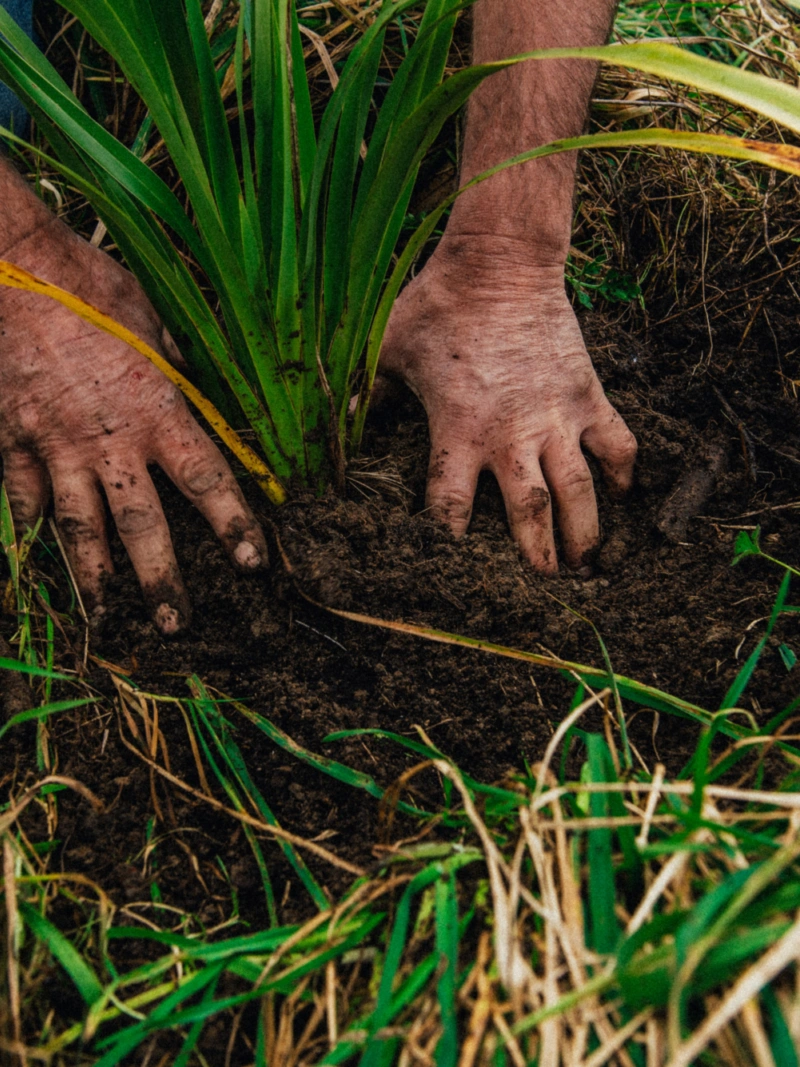
We take our role as guardians of the land seriously and are leading the way in protecting and enhancing our environment for future generations.
At Pāmu, looking after the land and farming profitably are connected goals. The health of our land, freshwater and ecosystems directly affects productivity and long‑term resilience. This is why nature directly underpins the business.
Across our farms, conservation shows up in everyday decisions: protecting ecosystems, reducing pests, supporting threatened species, empowering our people on the ground, and ensuring the business recognises the value of nature.
Permanent protection of ecosystems
With around 360,000 hectares across more than 100 farms, kaitiakitanga (guardianship of the land) sits at the heart of how we farm. As our Head of Sustainability Sam Bridgman has said, our 2030 Business Plan puts “enriching the natural world” front and centre.
Since 1991, we have partnered with the QEII National Trust to permanently covenant native forests, wetlands, tussock land, and river margins across our farms. This land will always remain protected, regardless of who owns it in the future. As of 2025, 11,296 hectares across 58 farms are protected under QEII covenants, providing enduring protection for generations to come.
These covenants often play a critical role in highly modified landscapes, where they protect fragmented remnants of native ecosystems that would otherwise be at risk. At Dale Farm in Southland, five new covenants secure some of the few remaining forest and wetland remnants in the Upukerora Ecological District, supporting species such as Central Otago roundhead galaxias and South Island robin.
Understanding species through eDNA testing
We are privileged to have such a range of native species across our land, and with that comes a responsibility to look after them.
Environmental DNA (eDNA) testing through Wilderlab is helping us better understand the biodiversity present on our farms and focus our efforts where they matter most. Using a simple water sample, eDNA testing identifies which species are present, from native species to pests, supporting targeted management actions.
Species detected so far include longfin eels, kōaro, Gollum galaxiids, kōura, mudfish, redfin bullies, upland bullies, banded kōkopu, and kākahi (New Zealand freshwater mussels). Samples are collected on‑farm, reviewed by our Sustainability team, and shared through open datasets. This means information that starts in a farm creek can support conservation well beyond our fence lines.
Working with communities to reduce pests
Strong biodiversity outcomes are built through long-term partnership. In Northland, Pāmu works alongside Kiwi Coast, a community‑led partnership involving iwi, councils, landowners and agencies, to deliver coordinated, landscape‑scale predator control.
Our farms play a key role in supporting Pest Free Purerua, a project protecting a peninsula that is a nationally significant stronghold for North Island brown kiwi. Through ongoing trapping, monitoring and reinvasion defence, we contribute to the long‑term protection of kiwi and other native species across the peninsula.
Across the wider Kiwi Coast network, sustained community‑led predator control has resulted in the removal of more than 700,000 animal pests over the past decade, helping create safer habitat for kiwi and other vulnerable species. Pāmu supports this work by aligning on‑farm action with wider landscape efforts.
This work reflects a simple reality: enduring biodiversity outcomes depend on connected systems and strong partnerships.
Creating value from nature
Farms with stronger biodiversity tend to recover faster from extreme weather, manage water more effectively, and maintain productive capacity over time. Healthy land and waterways underpin access to high-value markets, while integrated land use supports progress toward our target of reducing greenhouse gas emissions by around 30% by 2030. Our scale and mandate allow us to test what works in practice and what doesn’t in a real farming context and help inform wider system thinking.
For our people, this work shows up in everyday decisions and in the landscapes they help care for. We are sharing this because we have a role to play in lifting conservation outcomes across New Zealand, by testing what works at scale and contributing to collective progress.
Te Taiao
Our approach to caring for the natural world, including the land, water, climate, and living beings.
- Stewardship of natural assets
- Earning diversification
- Resilience to climate change
- Farming excellence and innovation
- Capable and safe people
- Partnerships and communities