Pāmu (Landcorp Farming Limited) confirms continued progress toward its climate targets with a reduction in greenhouse gas (GHG) emissions for the 2024/25 financial year (FY25), alongside strong financial performance.
Pāmu CEO Mark Leslie said: “We are proud to demonstrate that sustainability and profitability go hand in hand with the achievement of a 13.98% net reduction in GHG emissions compared to our FY21 base year.
“Pāmu is forecasting a Net Operating Profit (NOP) in FY26 of $80–$90 million, reinforcing that our commitment to climate action is aligned with delivering value for shareholders and supporting the long-term resilience of New Zealand’s farming sector."
“This strong result reflects our ability to balance productivity with emissions reduction. It demonstrates our ongoing commitment to sustainability, achieving an average net reduction of 10% since our FY21 base year. While up on last year, I’m pleased to see our performance exceeds our FY25 target of 7.21% and keeps us firmly on track to meet reduction goals set under our Sustainability Linked Loan.”
The reduction is primarily driven by a gross emissions decrease of approximately 77,000 tonnes, influenced by:
- Ongoing improvements in operational efficiency
- More precise fertiliser application and strategic land-use changes
- Enhanced farm system design, including the integration of dairy beef and forestry
Toitū Envirocare has independently assured the data and process. Results represent gross emissions minus GHG removals (sequestration), and do not include ETS-registered forests (i.e. there is no double counting).
“Reducing our greenhouse gas emissions is a focus of the Pāmu strategy and assists in meeting market expectations and supports sector-wide efforts to reduce emissions,” Mark Leslie said.
“Our progress reflects the commitment to more efficient, sustainable farming and to addressing the challenges of climate change.”
Investing in the Future of Efficient and Sustainable Farming
Pāmu continues to invest in partnerships that deliver ongoing financial performance and long-term emissions reduction. Early insights show that improvements in feed conversion efficiency can deliver productivity gains while reducing GHG emissions, reinforcing the link between sustainability and profitability. Key Pāmu initiatives underway include:
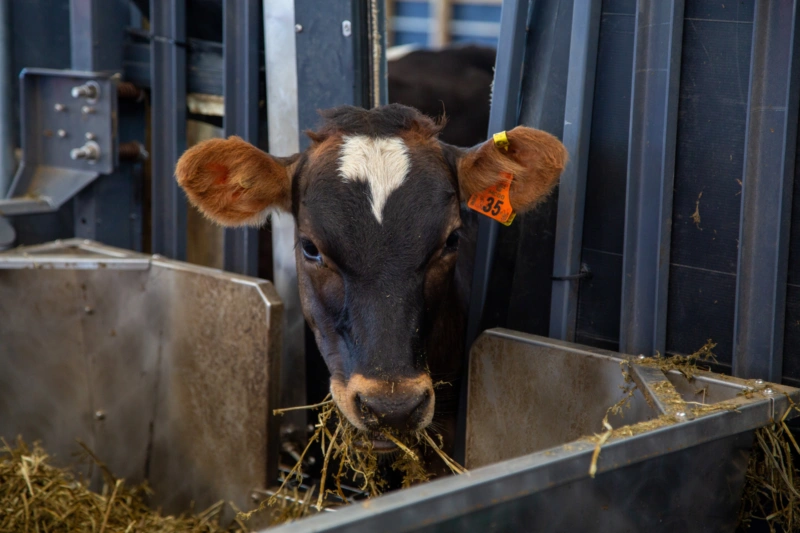
- St Kilda Feed Efficiency and Methane Measurement Facility: Doubling of capacity supported by $596,000 of funding from the Ag Emissions Centre. This allows the identification of animals that are both efficient converters of feed into beef and emit lower volumes of methane.
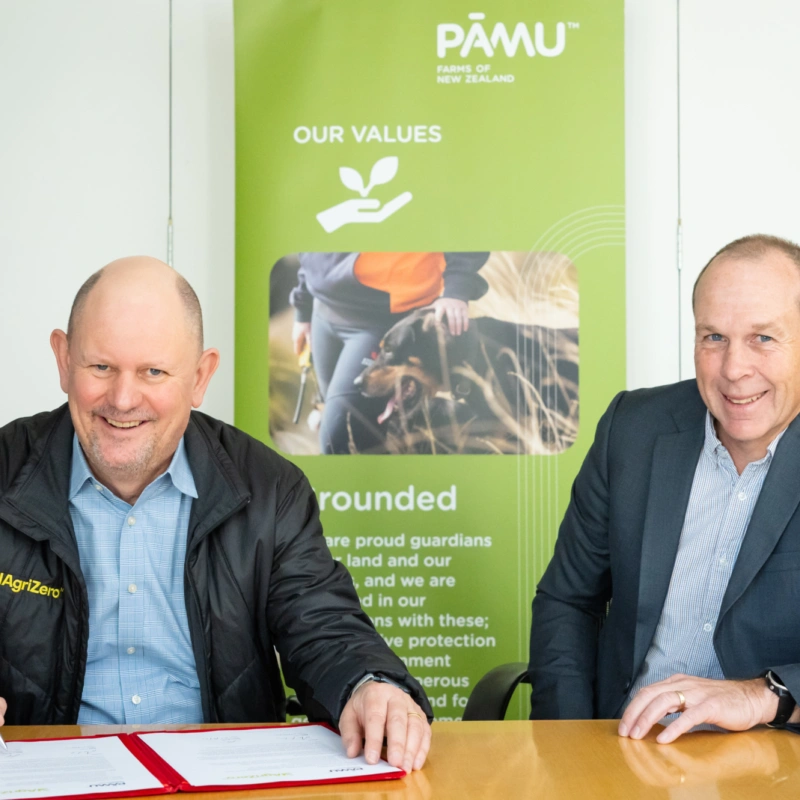
- Memorandum of Understanding with AgriZeroNZ: A collaboration to advance shared goals on GHG emissions reduction, commercialisation of emissions reduction tools and working together to support uptake of these new technologies.
- Dairy Beef Integration: Ongoing work to optimise low-emissions dairy beef systems.
- Sheep of the Future: A collaborative programme between Pāmu, Focus Genetics, and the Ministry for Primary Industries helping New Zealand farmers adapt to changing environmental conditions, consumer expectations, and compliance demands while maintaining an emphasis on performance and profitability.
- Establishment of a framework to deliver attractive financial returns for biodiversity and nature-based carbon from low-productive land areas.
- A comprehensive climate adaptation plan to address emerging and current climate-related risks and opportunities in response to the likes of Cyclone Gabrielle that cost Pāmu ~$15m.
“These initiatives demonstrate our long-term commitment to improving environmental outcomes while maintaining farm productivity and profitability. As market expectations and climate challenges evolve, Pāmu is committed to supplying sustainable, low-emissions food production.”