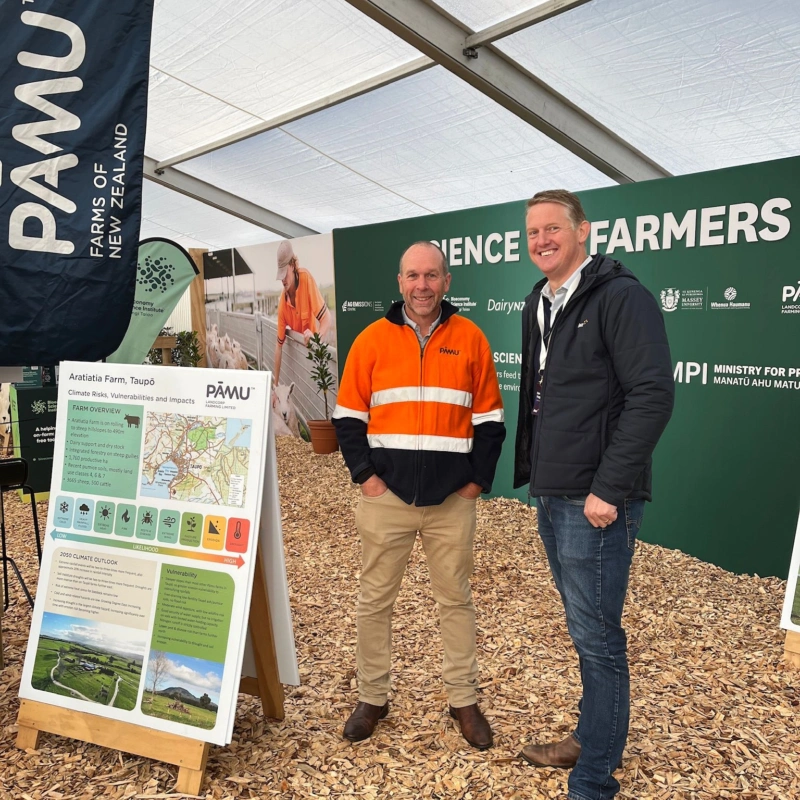
BNZ and state-owned enterprise Pāmu (Landcorp Farming Limited) have developed a new way for landowners to earn revenue from existing native forests, helping improve New Zealand’s land and biodiversity while giving businesses a method to account for their carbon removals.
BNZ CEO Dan Huggins says, “This is a practical step forward that addresses an existing gap, creating a win-win for landowners in the rural sector and businesses looking to account for carbon removals.
“Unlike other options, which require upfront capital to create a new asset that generates credits, this new model enables landowners to earn revenue from a pre-existing asset.
“The majority of that revenue is then reinvested to restore and improve their land - for example, accelerating planting or undertaking pest control that might otherwise be delayed or avoided due to a lack of funding.
“Nature has always been central to New Zealand’s economy,” says Huggins.
“By using existing financial structures in innovative ways - in this case, a leasehold agreement - we can help create incentives to direct capital to where it can make a real environmental difference, while unlocking value for landowners.
“For businesses, like BNZ, this arrangement is another way we can invest in nature restoration, alongside the work we are already doing to reduce and mitigate our environmental impact.”
Pāmu CEO Mark Leslie says,
“This is a practical and credible way to recognise the role of farming in addressing climate resilience. Pāmu has had a clear commercial focus over the past five years while balancing its investment in QEII covenants, biodiversity programmes, and farm environment plans. Rather than waiting decades for new plantings, this approach values the contribution of established native forests today, while creating new opportunities to strengthen biodiversity.”
Building integrity in a new market
Both BNZ and Pāmu agreed that the design needed to uphold local and international carbon accounting standards, maintain strong governance, and deliver transparent and measurable outcomes for nature and the landowner.
Leslie says, “The approach to utilise removals from existing native forests has required us both to take a forward-thinking lens. We have the shared goal of stimulating wider sector uptake and accelerating the restoration of native ecosystems with ongoing multi-benefits for biodiversity and climate resilience with the idea investment remains here for generations to come.”
All carbon removals will need to be calculated per forest and accredited to selected international and local requirements.
For this project, New Zealand company CarbonCrop will provide a platform offering measurement, monitoring, allocation, and traceability services related to the project removals. This will support independent assurance. The project is designed to adhere to Greenhouse Gas Protocol Corporate and Land Sector and Removals Standards, ISO 14064-1 requirements, and Toitū Envirocare Net Carbon Zero programme requirements.
The land BNZ and Pāmu have chosen is sourced from a soon-to-be QEII covenanted native block of approximately 600 hectares in northern Hawke’s Bay.
“For BNZ, this is a model we hope others will use and we look forward to further discussions,” says Huggins.
QEII CEO Dan Coup says, “QEII National Trust has been closely involved in the development of the Mahiwi Covenant and has had a longstanding relationship with Pāmu across their portfolio. We welcome additional biodiversity enhancement work in this covenant area, including what has been proposed through the Pāmu partnership with commercial carbon buyers.”
How it works
The approach has been designed to:
- align with major international climate accounting standards;
- deliver real, measurable and durable outcomes;
- respect stakeholder interests;
- ensure transparency and avoid double-counting; and
- drive investment into nature by restoring native ecosystems to help mitigate climate change and biodiversity loss.
Currently, native forests planted before 1 January 1990 are not eligible to participate in the Emissions Trading Scheme.
Under the new model, landowners with native forests can lease their forested land to a leaseholder seeking to bring a means of carbon removal into their operations while investing in biodiversity enhancement.
The leaseholder, through the leasehold agreement, can recognise the land on its balance sheet and use the carbon removals from the forest to help meet its emissions reduction goals.
Pāmu (the landowner) and BNZ (the leaseholder) are the first organisations in New Zealand to implement this new model.
The collaboration comes quickly on the heels of the New Zealand Government’s announcement to support the expansion of the voluntary nature credits market in Aotearoa.


