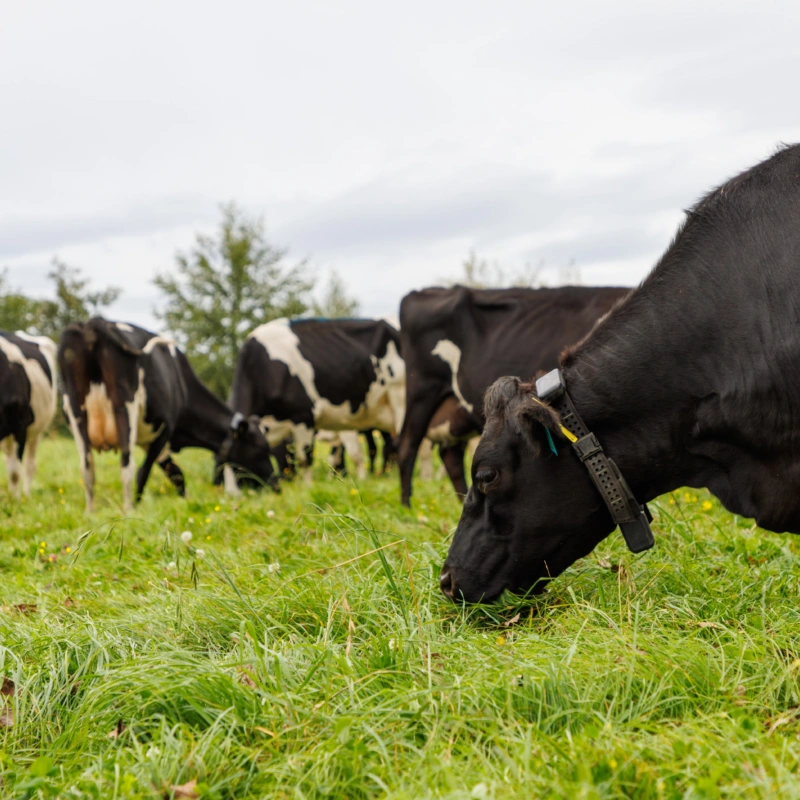
Grazed pasture remains the foundation of the Pāmu farming model. Supplementary feeds are used strategically to support animal welfare, climatic variability, and maintain profitability.
In a recent change to its approach, Pāmu has reintroduced palm kernel expeller (PKE) on conventional dairy farms in the Central North Island and West Coast.
“This has not been a quick or easy decision. We have worked through it carefully over several years, with robust discussion and debate. Ultimately, we have had to make a balanced decision considering sustainability, commercial realities, impacts of climate variability and animal welfare facing our business while setting ourselves up for the long term. Being bold is one of our values, and in this case, it means making a considered decision that supports a sustainable and resilient farming model,” says Pāmu CEO Mark Leslie.
Pāmu phased PKE out of its farming systems in 2016. At the time, it was believed the decision would be cost‑neutral and supported by premiums for PKE‑free conventional milk. Those premiums have not materialised, while alternative supplementary feeds have become significantly more expensive.
Over the past decade, Pāmu has increasingly segmented its milk production. Around 25% of its milk pool is now organic, and approximately 45% comes from herds bred for A2 milk, both of which attract premiums.
Organic farms do not and will not use PKE. Pāmu remains New Zealand’s largest supplier of organic milk, and organic production continues to be the pathway where genuine PKE‑free premiums are realised.
Pāmu first reintroduced PKE on some conventional dairy farms in April 2025, after a drought was declared in the Central North Island. Since December 2025, it has been available as a flexible supplementary feed option on conventional dairy farms in that region to help manage ongoing feed and cost pressures. Its use is also being considered for other conventional dairy farms.
Pāmu recognises that palm-based products raise strong views. For this reason, we have sought assurance on supply chains and workforce conditions from suppliers and only source from those who participate in the Roundtable on Sustainable Palm Oil (RSPO).
Sustainability remains central to the Pāmu operating model. Over the past ten years, the state-owned enterprise has invested more than $20 million in QEII covenants, biodiversity programmes and farm environment plans. This work has driven potential value from the voluntary nature carbon market and is complemented by sustainability-linked loans, feed efficiency and methane reduction research, and community initiatives such as the Canterbury skink habitat project.
Pāmu will continue to engage constructively with stakeholders while balancing environmental responsibility with the practical realities of commercial, sustainable farming.
Note Pāmu Landcorp Farming Limited has today released information relating to its use of palm kernel expeller (PKE) in response to an Official Information Act request from Greenpeace Aotearoa. This statement is intended to support informed public discussion and to avoid misunderstanding or speculation about Pāmu farming practices and provide accurate context around how and why PKE is used within its farming systems.


