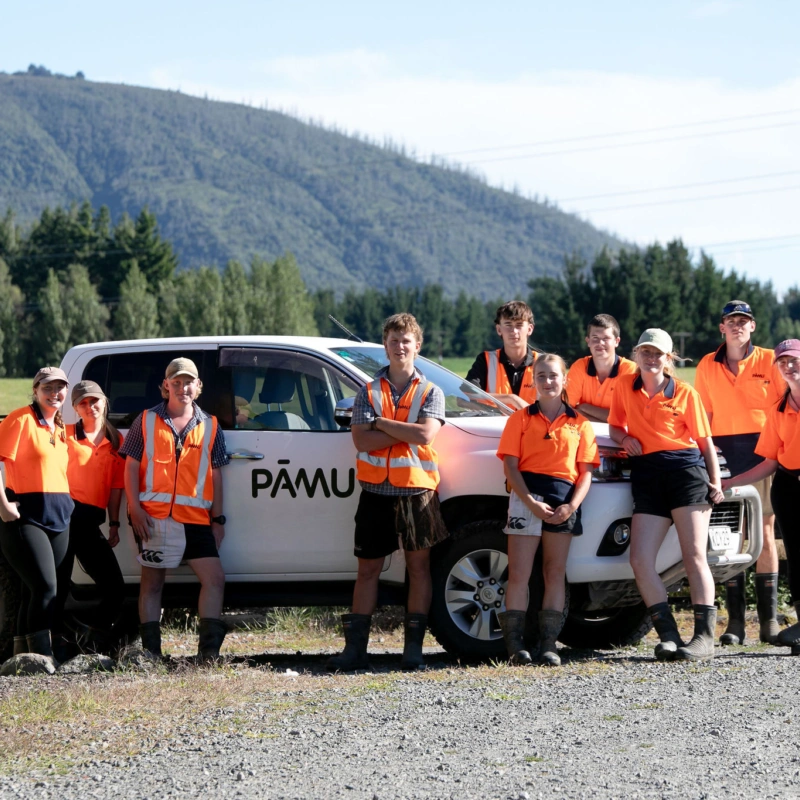
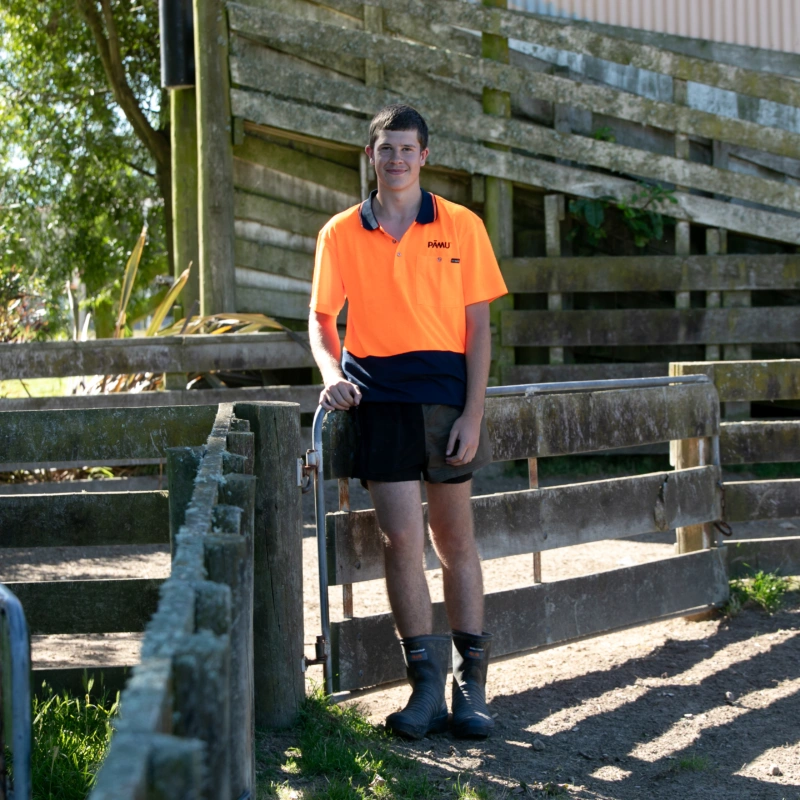
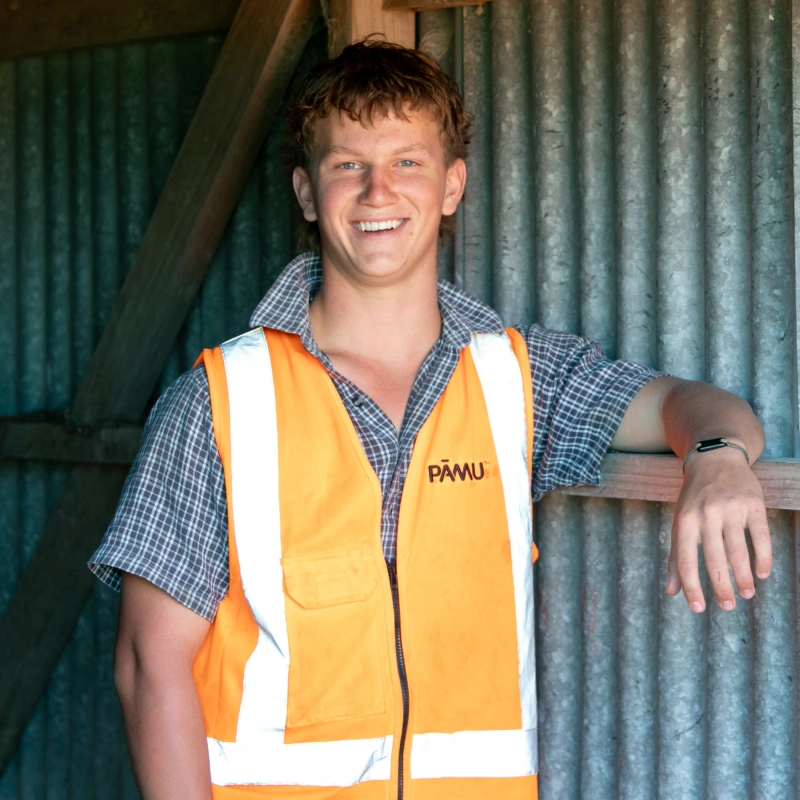
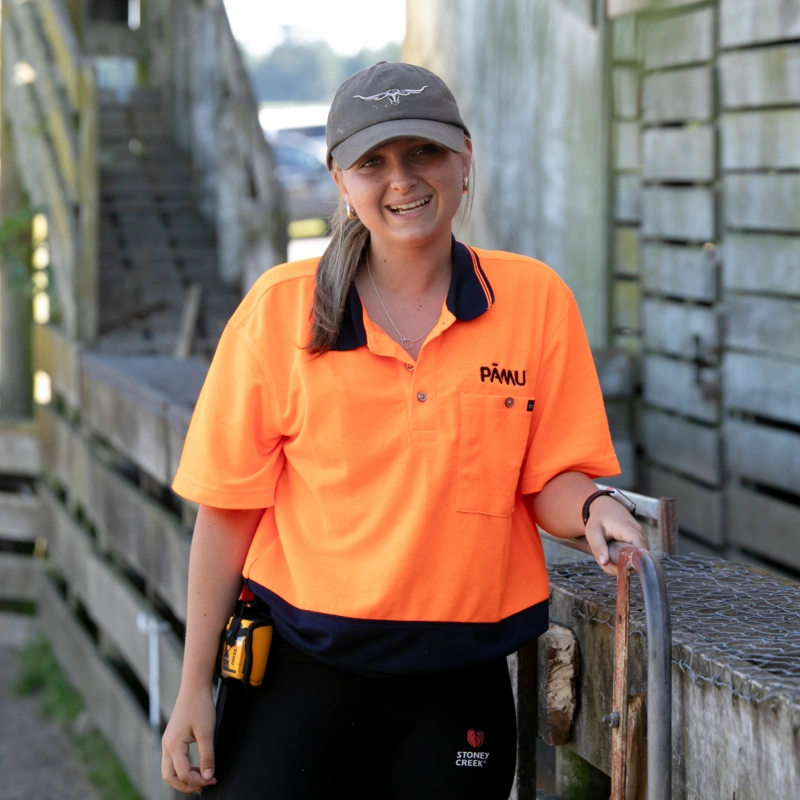
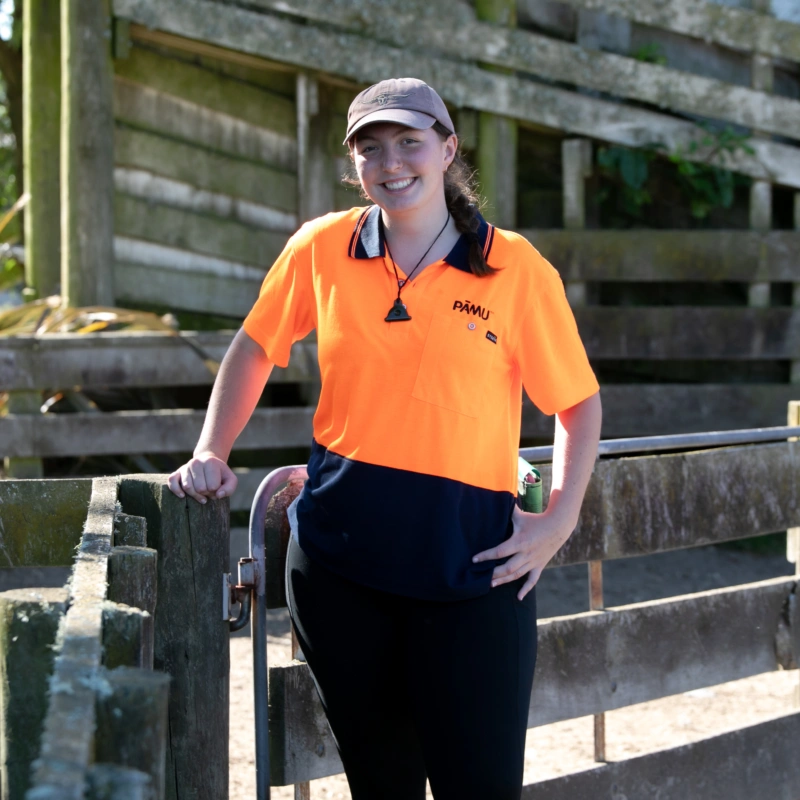
Pāmu has welcomed ten new apprentices into its 2026 intake, marking the second year of a scheme designed to equip the next generation of farmers with the skills, knowledge, and experience needed for a thriving career in agriculture.
The arrival of the new cohort comes as Pāmu confirms the success of its 2025 pilot year, with 100% of the inaugural class successfully completing their foundation year and transitioning into full time roles on Pāmu farms across the country.
Pāmu CEO Mark Leslie says the retention of the 2025 class validates the business’s investment in the future.
“Seeing our entire inaugural class successfully transition into roles on Pāmu farms is proof that this model works,” says Leslie. “They have grown immensely over the past twelve months, not just as farmers, but as young professionals. Their success has paved the way for the 2026 cohort, who we are excited to see develop over the coming year.”
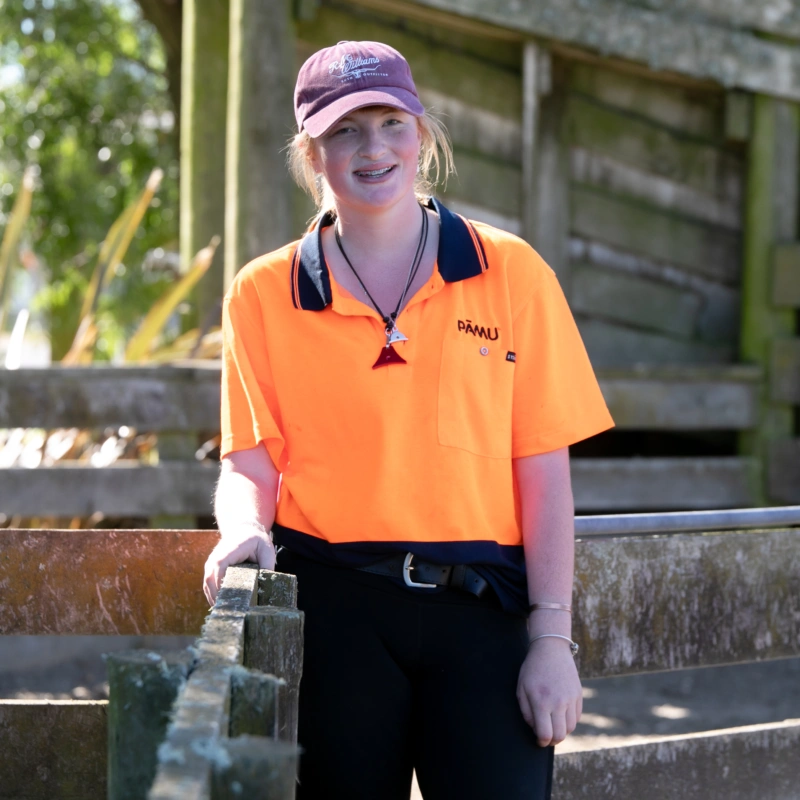
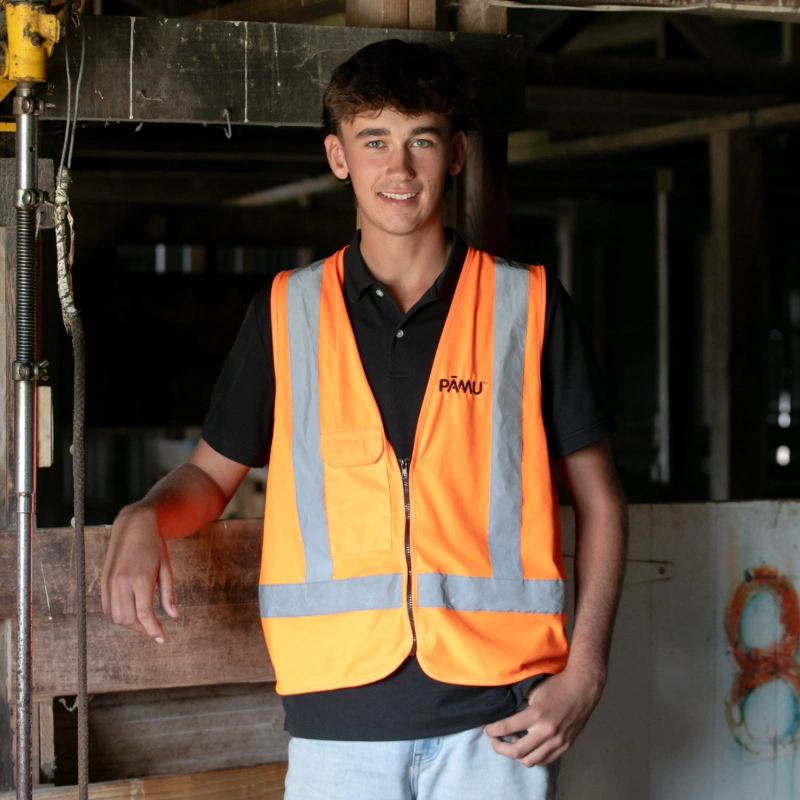
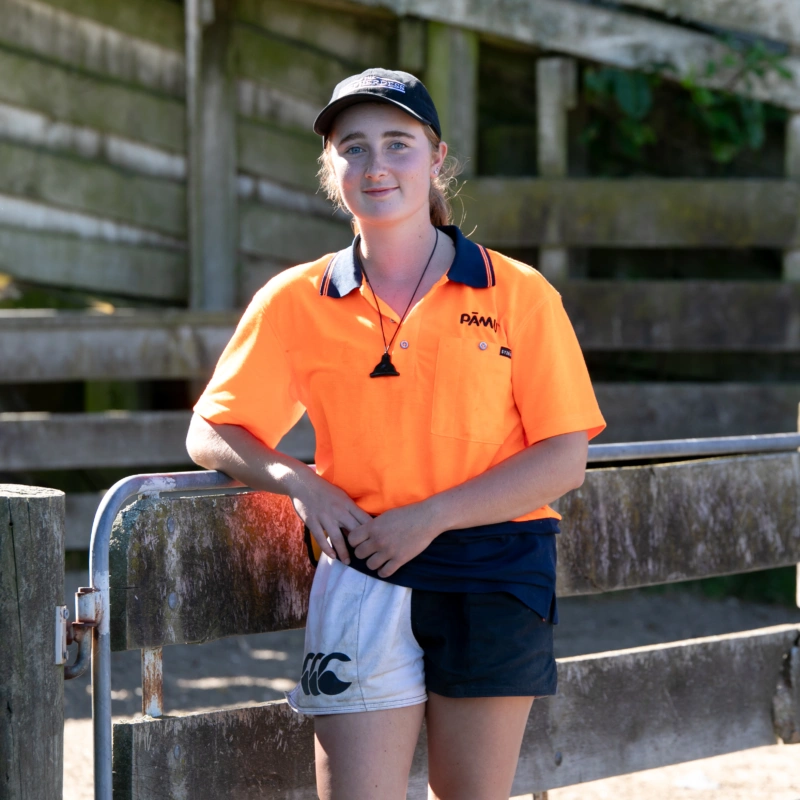
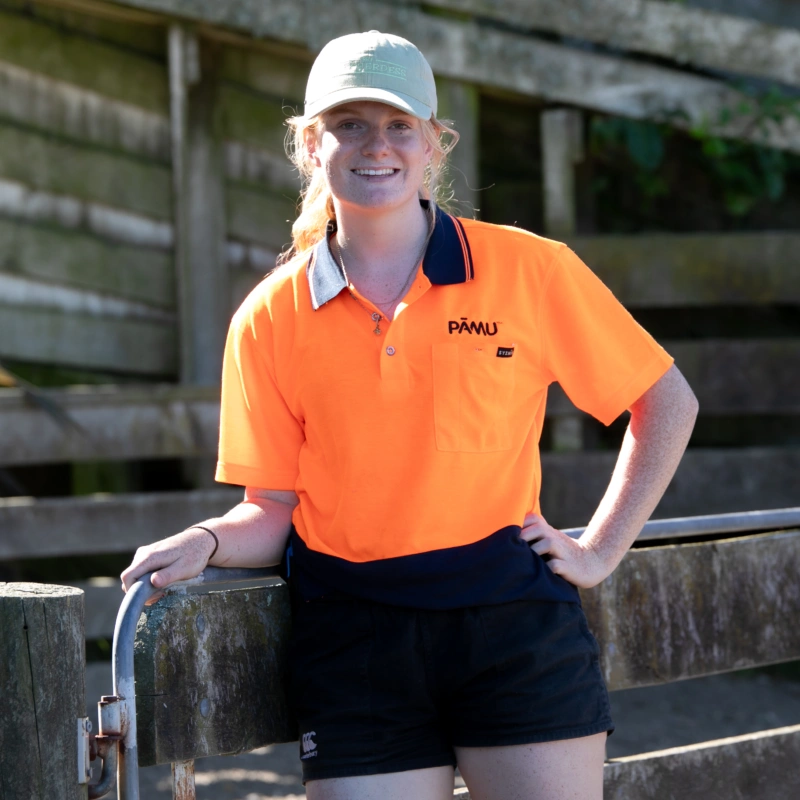
The ten new apprentices—many of whom finished secondary school only weeks ago—are now settling into life at Aratiatia Farm. Here, they will balance full-time farm work with formal qualifications in dairy and livestock. Over the next three years, apprentices will rotate through diverse farming environments, gaining the technical proficiency required to work in modern, farming operations while earning Level 3 and 4 Primary ITO qualifications.
Pāmu Apprenticeship Scheme Manager Gary Brady notes that the programme prioritises personal growth alongside the "how-to" of farming. Pastoral care is central to the scheme; apprentices live together on farm, managing budgets, cooking, and sharing household responsibilities to build independence. Regular wellbeing check-ins, personality profiling, and open communication ensure mental health is supported, while involvement in Open Farm days strengthens their connection to the sector.
“Our objective is to prepare these young people for long-term employment in the industry,” Brady says. “This involves respecting the land, understanding new technology, and developing the character to lead in their future roles.”
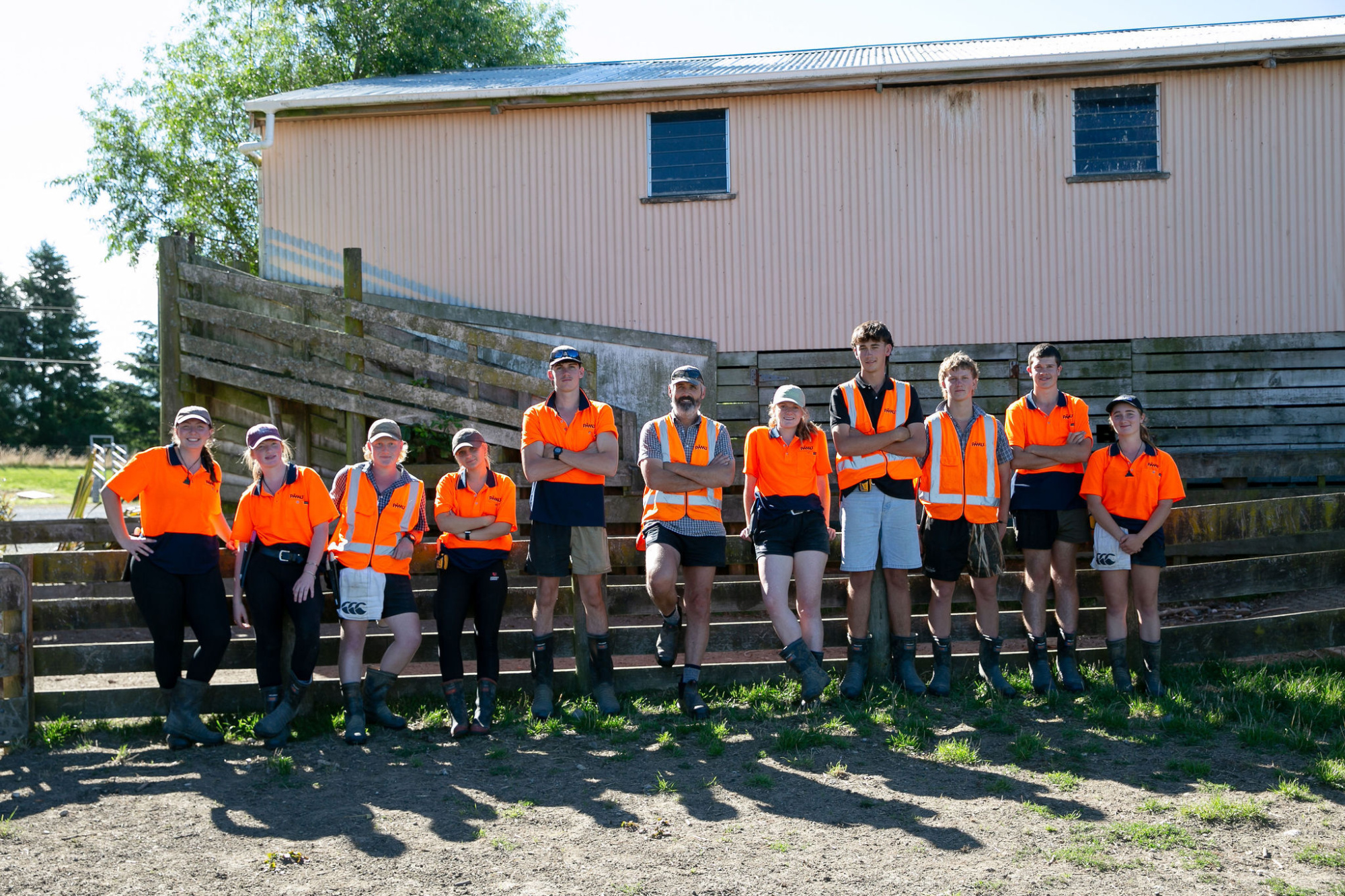
This year’s group brings together a diverse range of backgrounds from across the North and South Islands:
- Aidan King – Taihape
- Alex Iremonger – Whakatāne
- Caitlin Flack – Ōtautau, Southland
- Case Hasler – Pōkeno, South Auckland
- Grace Dolton – Riversdale, Southland
- Libby Meredith – Ātiamuri, Waikato
- Reuben Joyce – Northern Waikato
- Ryan Sayers – Hamilton
- Sienna Barltrop – Hamilton
- Tori Cheetham – Gisborne
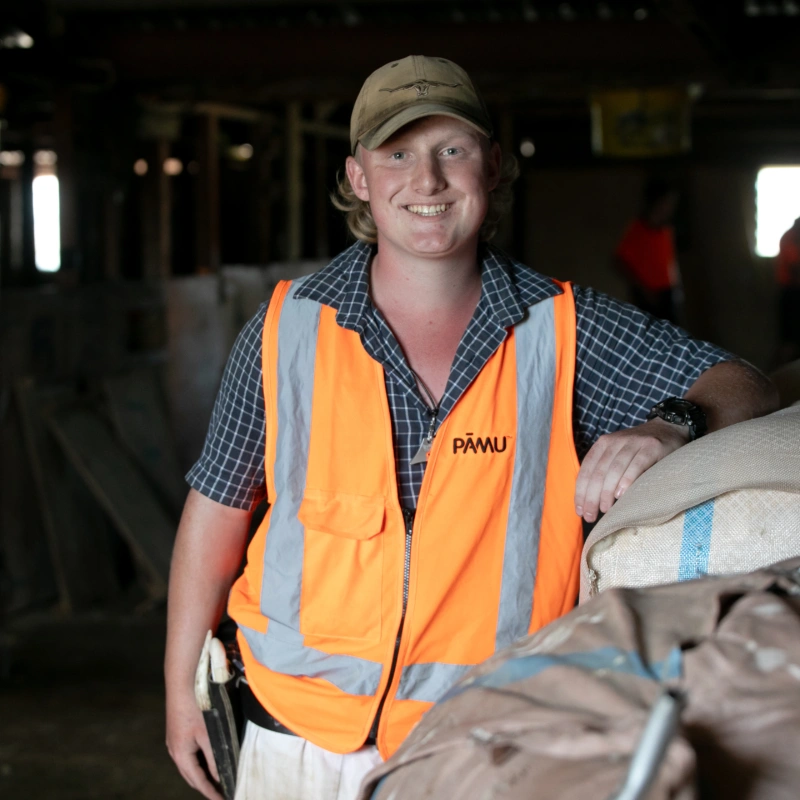
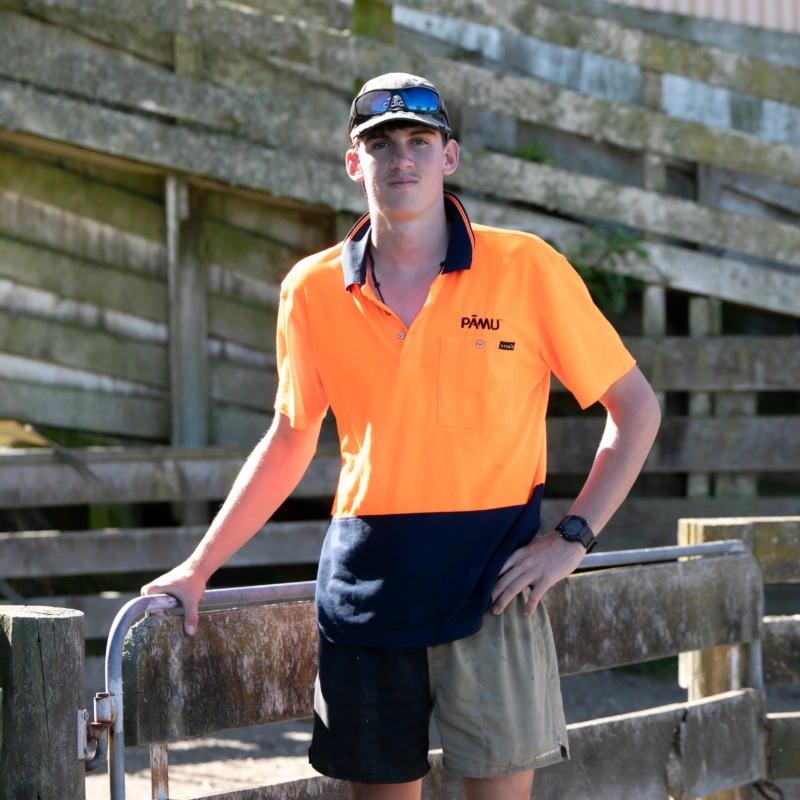
After a year of foundational training, apprentices will select a specialty in either dairy or livestock for their second and third years to align with their career objectives.


